

TL;DR
- Kyrgyzstan has launched a new national stablecoin pegged 1:1 to the Som, alongside official legal recognition of its central bank digital currency (CBDC), the Digital Som.
- The government is also creating a national cryptocurrency reserve, partnering with Binance Academy on university programs, and working with infrastructure firms on smart-contract development.
- The stablecoin, known as KGST, is registered in the State Register of Digital Assets and is separate from a previously planned dollar-backed token (USDKG).
- The Digital Som CBDC is slated for use in government-related payments, marking one of the few countries where a CBDC and sovereign stablecoin launch move in tandem.
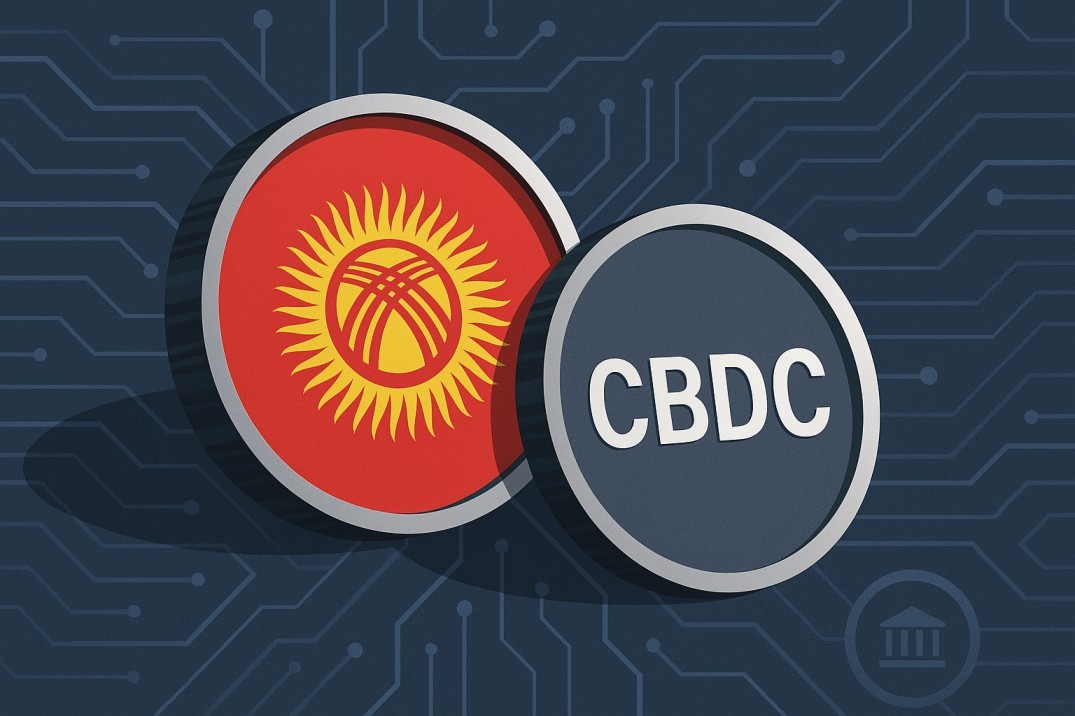
Kyrgyzstan has taken a bold step into the digital currency era. In a broad announcement this week, the government revealed the launch of a sovereign stablecoin pegged to its national currency, the Som, while concurrently recognizing and preparing to pilot its central bank digital currency (CBDC), the Digital Som. These moves come as part of a larger push to modernize the country's financial infrastructure, increase digital adoption, and integrate cryptocurrency-based tools into government and institutional systems.
The stablecoin - believed to carry the ticker KGST - will be pegged 1:1 to the Som and is now registered in the country's State Register of Digital Assets. Officials emphasize that this approach is distinct from an earlier plan for a dollar-backed stablecoin known as USDKG. That previously proposed token was to be backed by gold reserves and highlighted a different issuance model.
At the same time, the Digital Som CBDC has gained legal recognition after constitutional amendments passed earlier this year mandated that a fully launched version become legal tender. The digital currency is slated to be used initially for government-related payments, signalling a strategic effort to bring the public sector into the digital currency fold.
Building the Crypto Infrastructure Fabric
Beyond the stablecoin and CBDC rollout, Kyrgyzstan is quietly assembling a comprehensive crypto ecosystem. The country has announced a national cryptocurrency reserve that is reported to include major tokens like BNB. Furthermore, the government is partnering with Binance Academy to integrate crypto education across ten universities, aiming to cultivate a home-grown talent pipeline in blockchain and smart contract development.
In a separate partnership, the technology firm Sign signed a cooperation agreement with the National Bank of Kyrgyzstan to work on the Digital Som and related infrastructure. The firm's solution will be interoperable with KGST, linking the sovereign stablecoin with the CBDC ecosystem.
These layered initiatives suggest a strategic vision: not only to issue digital currency but to underpin it with education, infrastructure, reserve assets, and interoperability - all at once.
Why It Matters - And What's Driving This Move
For a nation of roughly 7.2 million people, Kyrgyzstan's decision may appear ambitious - but it highlights several broader trends in the evolving global digital currency landscape.
First, issuing a sovereign stablecoin pegged to the national currency (rather than a foreign fiat like the U.S. dollar) gives Kyrgyzstan unique flexibility. It allows the digital version of the Som (KGST) to operate within existing monetary frameworks while leveraging blockchain efficiencies for payments and remittances.
Second, the parallel move to pilot a CBDC signals a dual-track strategy: one stablecoin for broader retail and private use (KGST), and one CBDC reserved initially for government-backed payments and infrastructure (Digital Som). The combination enhances the country's digital-finance readiness at multiple layers.
Third, building crypto infrastructure around these technical launches - from national reserves to education partnerships - positions Kyrgyzstan not just as a crypto adopter, but as a regional innovator. In a world where digital financial inclusion and cross-border payments are increasingly pressing, smaller nations can gain an edge through agility and strategic alliances.
Lastly, the involvement of Binance, Sign and other international crypto firms speaks to the increasing role of private-sector players in shaping national digital-currency strategies. As the global stablecoin market and CBDC discussions advance, smaller states may become experiment hubs for "next-gen" monetary architecture.
Risks and Considerations
Despite the promise, several considerations remain on the radar.
There is the regulatory and sovereignty challenge. Issuing a stablecoin or deploying a CBDC means the national financial system must grapple with issues of reserve backing, inflation control, compliance, anti-money-laundering safeguards and cross-border integration. Any misstep could erode public trust.
Second, technology and adoption. Rolling out a CBDC or stablecoin is one thing; achieving widespread institutional and consumer use is another. Operational integrity, wallet security, user education and regulatory safeguards will determine whether the tools become meaningful or remain experimental.
Third, the question of external pressures looms. As seen in past cases, crypto infrastructure tied to smaller jurisdictions can become entangled in geopolitics, sanctions or illicit-finance concerns. Ensuring transparency and robustness will be key for Kyrgyzstan to avoid reputational and legal risks.
Where to From Here?
The next steps to watch include:
- Pilot : Initial deployment of the Digital Som in government-related payments and public services. The success of this pilot will be closely observed.
- Interoperability : How KGST and the Digital Som work together, and whether the national reserve can support stablecoin uses like remittance, cross-border trade, or private-sector adoption.
- Scaling & regulation : How legislation, reserve mechanisms, wallet infrastructure and user-onboarding unfold in practice - especially given the size and complexity of deploying digital currency to a national scale.
- Global alignment : Whether other countries view Kyrgyzstan's model as replicable, and how global bodies (IMF, BIS, etc.) perceive such dual-track stablecoin/CBDC strategies in smaller jurisdictions.
Final Thought
Kyrgyzstan's dual move - launching a national stablecoin pegged to the Som and legally recognizing its CBDC - marks a significant chapter in the country's digital-finance transformation. By pairing a sovereign digital currency with a digital version of its fiat, and backing it with infrastructure, education and reserves, the nation is signaling a readiness to leap ahead in the crypto-monetary race.
Whether this will translate into meaningful usage, economic benefit and global recognition remains to be seen. Yet in a world where financial innovation is accelerating, Kyrgyzstan's embrace of digital currency positions it not just as a follower, but as a potential frontier player - proving that digital money isn't just for large economies.
READ MORE: Beyond the Hype: What’s Really Fueling Crypto and DeFi Right Now