

Summary:
- SpaceX's upcoming $75 billion IPO has sparked speculation that retail investors are selling Bitcoin to buy shares.
- The IPO values SpaceX at roughly $1.8 trillion and allocates up to 30% of shares to retail investors through platforms like Robinhood, Fidelity, and Charles Schwab.
- Despite the narrative, stablecoin flows and onchain data show no clear evidence of a mass crypto-to-cash exodus.
- Bitcoin briefly dropped below $60,000 during the week, fueling rumors that investors were rotating into SpaceX.
- Exchange data instead suggests many investors were withdrawing Bitcoin and Ether into private wallets rather than selling.
- The biggest confirmed source of crypto selling came from Bitcoin and Ether ETF redemptions, not retail spot traders.
- A clearer picture may emerge in July when Coinbase and Robinhood publish trading data covering the IPO period.
SpaceX, the private aerospace company led by Elon Musk, is preparing for what could become one of the largest public offerings in market history. The company is reportedly seeking a valuation of approximately $1.8 trillion and is offering up to $75 billion worth of shares. What makes the offering especially unusual is that as much as 30% of the allocation is being directed toward retail investors through platforms including Coinbase, Robinhood, Fidelity, and Charles Schwab. That retail allocation is significantly larger than what most IPOs typically reserve for individual investors. According to Bloomberg, demand was already exceeding available shares shortly after the roadshow opened, highlighting the level of interest surrounding the offering. At the same time, cryptocurrency markets experienced a sharp pullback.
Bitcoin declined roughly 16% during the period and briefly traded below $60,000 before recovering. The timing led to widespread speculation across social media that retail traders were selling Bitcoin and other digital assets to free up cash for SpaceX shares. SpaceX is one of the most sought-after private companies in the world, and many retail investors have waited years for an opportunity to gain exposure. If investors needed capital quickly, crypto could appear to be an easy source of liquidity. However, when looking beyond social media narratives and into actual blockchain data, the evidence tells a different story.
READ MORE: US Seized Nearly $1 Billion in Iranian Crypto, Treasury Secretary Says
Stablecoin and Exchange Data Show Little Evidence of a Mass Exit
One of the simplest ways to track whether money is leaving crypto markets is by watching stablecoin activity. When investors sell Bitcoin and convert funds into traditional dollars, that process often passes through stablecoins such as USDC or USDT. Large-scale cash-outs typically create visible patterns. Stablecoins move off exchanges, redemption activity rises, and overall supply can begin shrinking as issuers burn redeemed tokens. Data reviewed from CryptoQuant shows that USDC and Tether exchange outflows remained within normal ranges observed throughout recent months. The largest stablecoin withdrawal days actually occurred before the recent market decline, not during it. If millions of crypto investors were suddenly rushing to liquidate assets for a SpaceX allocation, analysts would likely expect a noticeable spike in stablecoin redemption activity. So far, those signals have not emerged. Even more interesting is what happened with Bitcoin and Ether flows. According to CryptoQuant data, approximately 66,470 Bitcoin and around 2.49 million Ether were withdrawn from exchanges on Friday alone.
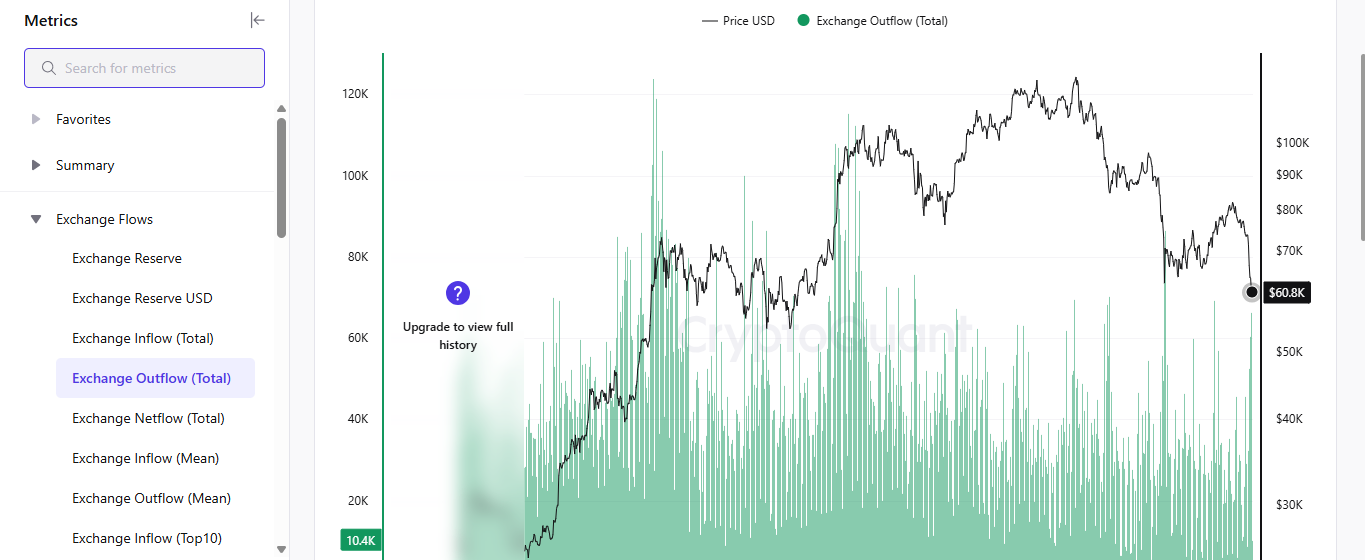
Those figures rank among the largest single-day exchange outflows recorded this year. When investors intend to sell, assets generally move onto exchanges where they can be traded. Large inflows often signal increased selling pressure. Large outflows suggest the opposite. Coins leaving exchanges are frequently moving into personal custody, long-term storage, or institutional wallets. In other words, the week's largest blockchain movements resemble accumulation behavior. The data does come with limitations. Public blockchains cannot track activity that occurs entirely inside brokerage platforms. Someone using Robinhood or Coinbase could potentially sell Bitcoin and hold cash without generating an onchain transaction. That blind spot means it remains impossible to completely dismiss the theory that some investors sold crypto to participate in the IPO. So, according to data, there is currently no convincing blockchain evidence pointing to a broad retail migration out of digital assets.
The Real Selling Pressure May Have Come From ETFs
While retail investors appear to be attracting most of the attention, another source of selling pressure stands out more clearly. Spot Bitcoin and Ether exchange-traded funds experienced significant redemptions during the recent downturn. Combined outflows reportedly reached approximately $4.4 billion before inflows began stabilizing again. ETF redemptions are different from ordinary exchange activity because they involve actual selling of underlying assets. When investors redeem ETF shares, fund managers may need to sell Bitcoin or Ether holdings to meet those requests. That makes ETF outflows one of the most direct and measurable sources of market selling during the week.
Meanwhile, the exchange withdrawal data paints a far less bearish picture. Rather than flooding exchanges with coins for liquidation, many holders appeared to be moving assets away from trading venues. This distinction is important because it challenges one of the most popular narratives currently circulating online. Markets often look for simple explanations when prices decline. The idea that crypto investors dumped Bitcoin to chase a high-profile SpaceX IPO is an attractive story because it connects two major financial events happening at the same time. Yet the available evidence does not strongly support that conclusion. Robinhood is expected to release its June trading metrics in mid-July, while Coinbase will provide additional retail trading data in its second-quarter earnings report later in the month. Those reports may reveal whether retail crypto trading volumes dropped meaningfully during the SpaceX allocation period. Until then, the available data suggests bitcoin's decline coincided with SpaceX IPO excitement, but stablecoin activity, exchange flows, and blockchain transactions do not currently indicate a large-scale retail exodus from crypto. As SpaceX prepares to price its shares on June 11 before listing on the Nasdaq under the ticker SPCX the following day, investors will continue debating whether capital is rotating between crypto and traditional markets. For now, though, the blockchain itself is not showing signs of a rush for the exits.
READ MORE: Coinbase Launches SpaceX Pre-IPO Trading, Bringing Private Market Access to Crypto Users