

Summary:
- PayPal is expanding access to its PYUSD stablecoin to users in 70 countries worldwide.
- The move adds 68 new markets beyond the United States and United Kingdom, where the token was previously limited.
- Users in newly supported countries will be able to send, receive, and hold PYUSD, as well as transfer it to third-party wallets.
- PayPal says the rollout aims to reduce cross-border transfer costs and provide faster access to funds.
- The market capitalization of PYUSD has surged to about $4.1 billion, showing rising adoption of PayPal's stablecoin.
Payments giant PayPal is significantly expanding the reach of its US-dollar stablecoin, PayPal USD (PYUSD), bringing the digital asset to users in dozens of additional markets around the world. The company announced that PYUSD will now be available to customers in 70 countries, marking a major step in its broader strategy to integrate blockchain-based payments into its global financial network. Previously, the stablecoin was only available to PayPal users in the United States and the United Kingdom. The latest rollout introduces access to 68 new countries, opening the service to customers across regions including Asia-Pacific, Europe, Latin America and North Aymerica. The expansion means millions of PayPal users can now receive, hold and send PYUSD directly through their PayPal accounts.
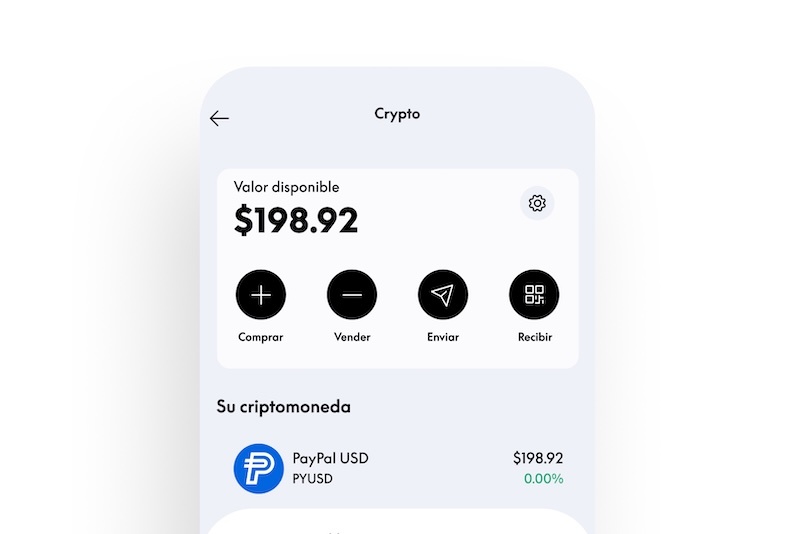
Stablecoins are digital assets designed to maintain a stable value, typically pegged to traditional currencies such as the US dollar. In the case of PYUSD, each token is intended to maintain a one-to-one value with the dollar, allowing users to move funds digitally while avoiding the volatility commonly associated with cryptocurrencies. PayPal's expansion reflects growing interest in stablecoins as tools for global payments, particularly in regions where traditional financial systems can be slow or expensive for cross-border transfers. The company says enabling PYUSD across multiple markets will give users more flexibility in how they manage and move money internationally. May Zabaneh, Senior Vice President and General Manager of Crypto at PayPal, explained the reasoning behind the rollout in the company's official announcement.
Lower Fees and New Rewards for Stablecoin Users
One of the main goals of the PYUSD expansion is to address the cost of cross-border payments, which can often include currency conversion fees and international transfer charges. In some countries where PayPal operates today, users are only able to withdraw funds in their local currency. That process often requires currency conversions when sending money internationally, adding extra costs to transactions. According to Zabaneh, the introduction of PYUSD in more markets could change that experience by allowing users to hold and transfer funds directly in US dollars. This means users in supported regions will be able to send, receive and store value in dollar-denominated stablecoins, which could significantly reduce fees for international payments.
Countries included in the rollout span multiple emerging markets. Examples mentioned in the announcement include Uganda, Colombia and Peru, alongside additional markets across South America, Africa and Asia. In many of these regions, cross-border payments are particularly important. Migrant workers, freelancers and international businesses often rely on global money transfers that can take days and include high service charges. By using a blockchain-based stablecoin, transactions can settle much faster while bypassing some of the traditional banking layers that normally add delays and fees. Zabaneh emphasized that expanding access to PYUSD could help address these challenges in places where international payments are especially costly.
The update also introduces rewards for users who hold PYUSD in their accounts. Customers in supported markets can earn rewards on their stablecoin balances, provided they keep funds in the token rather than converting them back to traditional currency. In addition, PayPal says the expanded system will allow users to send PYUSD to external digital wallets, enabling interaction with broader crypto ecosystems outside of the PayPal platform.
READ MORE: YouTube Switches On PYUSD Payouts for US Creators, Marking a Big Shift in Stablecoin Adoption
Rising Stablecoin Adoption and PYUSD Market Growth
PayPal's latest move comes at a time when stablecoins are becoming an increasingly important part of the digital asset economy. Originally designed as a bridge between traditional finance and cryptocurrencies, stablecoins have grown into a major segment of the crypto market. They are widely used for trading, payments and transferring funds across borders. For PayPal, PYUSD represents an effort to combine the stability of the US dollar with the efficiency of blockchain infrastructure. Since its launch, the stablecoin has grown rapidly. According to data from CoinGecko, the total market capitalization of PayPal's stablecoin has climbed to around $4.1 billion, more than five times its earlier valuation. That growth reflects increasing interest from both retail users and businesses exploring blockchain-based payment solutions. PayPal's global network already operates in roughly 200 countries, meaning the current expansion still covers only part of the company's international reach. However, the addition of 68 new markets represents one of the largest steps yet in bringing the stablecoin to a worldwide audience.
The expansion also highlights a broader trend among financial technology companies experimenting with digital assets. Major payment platforms are increasingly exploring ways to integrate stablecoins into their services, particularly for international transfers where traditional systems can be slow or expensive. For PayPal, enabling PYUSD across dozens of new markets signals a long-term bet that stablecoins will play a meaningful role in the future of global commerce. As the rollout continues, the company will likely watch closely to see how users in newly supported regions adopt the technology-especially in countries where the demand for faster and cheaper cross-border payments remains high.
READ MORE: Stripe Reportedly Eyes PayPal Acquisition as Stablecoin Payments Race Heats Up