

Summary:
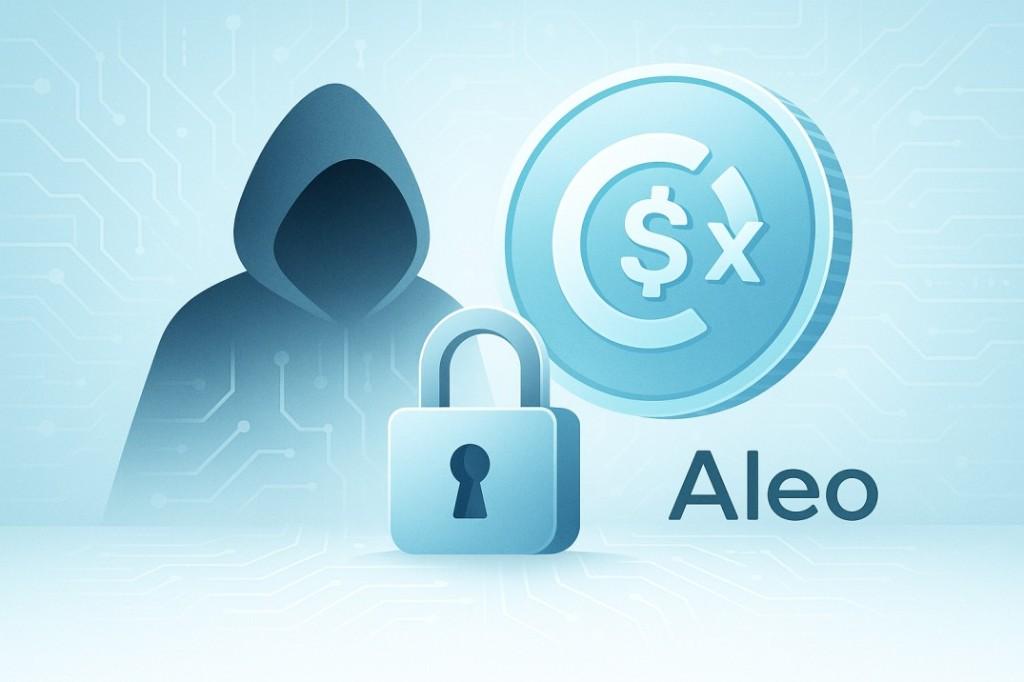
- Circle is testing USDCx, a privacy-preserving, fully backed version of USDC, on the Aleo testnet.
- USDCx uses zk-based privacy features to keep transactions confidential while maintaining configurable compliance for businesses.
- The asset is backed 1:1 with standard USDC through Circle's xReserve system.
- Circle says USDCx can support global payroll, aid distribution, e-commerce, P2P payments, and privacy-focused DeFi.
- Aleo leadership frames the move as part of the broader shift toward "privacy-first" blockchain infrastructure.
Circle has started testing USDCx, a wrapped version of its widely used USDC stablecoin designed for users and organizations that need both digital dollar stability and strong financial privacy. The pilot is running on the Aleo testnet, a Layer 1 chain built around zero-knowledge encryption.
The company outlined the initiative in a blog post on Tuesday. USDCx isn't designed to hide everything in a fully anonymous way. Instead, it aims to strike a middle ground that fits into real-world corporate and institutional requirements. Circle describes this approach as "configurable compliance," meaning the stablecoin can maintain a private transaction environment while still keeping the compliance data needed for audits, regulations, or reporting.
This combination allows businesses to operate without exposing sensitive financial information to the public, while still keeping regulators and partners comfortable. USDCx will remain fully backed by standard USDC held in the xReserve, Circle's minting and redemption infrastructure that connects different blockchains through its Cross-Chain Transfer Protocol (CCTP) and Gateway transfer system.
For Circle, the pilot fits into a much broader effort to show that digital dollars can work across borders, industries, and regulatory frameworks without forcing companies to give up confidentiality.
Why Circle Is Turning Its Attention to Privacy

The stablecoin market has expanded, but the underlying architecture of most public blockchains hasn't changed much. Transactions remain open to anyone who wants to track them. That transparency has been useful for auditing the industry, but it has also stopped some companies and institutions from adopting digital dollars at scale.
Aleo's approach uses zkSNARKs, a form of cryptography that enables the chain to process encrypted transactions without revealing underlying user data. Circle's pilot takes advantage of this to deliver what the industry has been asking for: a way to send digital dollars privately without stepping outside regulatory expectations. The idea is that people and businesses can transact in a way that feels more like cash, but with audit-friendly controls in place when needed.
Leena Im, Chief Operating Officer at the Aleo Network Foundation, highlighted this moment directly in an announcement shared through BusinessWire:
The comparison is simple: just as the internet needed secure browsing to become mainstream, the stablecoin market may need private payment rails to reach its next phase.
What USDCx Can Unlock: Early Use Cases
Circle and Aleo have outlined several early use-case categories that USDCx can support. Each one addresses a real, practical limitation facing digital dollar adoption today.
- Global Payroll
Companies trying to pay international teams often face security concerns, privacy issues, and exposure of internal salary structures. With USDCx's confidential transfers, organizations can send payments securely without leaking internal details. - Critical Aid Distribution
Aid groups working in conflict zones or unsafe regions often avoid open blockchains because transparent transfers can reveal recipient identities. Circle says USDCx enables private, direct aid without creating added risks for targeted communities. - Privacy-Focused E-commerce
Merchant pricing strategies and customer purchasing patterns shouldn't be publicly available on a blockchain. USDCx makes it possible to settle global e-commerce payments while keeping these details private. - P2P Payments and Remittances
For many users, everyday transfers shouldn't broadcast personal financial habits. USDCx offers a cash-like feel, but with the speed of digital money. - DeFi Where Privacy Matters
Aleo's encrypted environment could give developers a way to build decentralized applications that operate without exposing user data, while still plugging into global USDC liquidity. - All of these cases share the same theme: privacy makes digital dollars more usable in the real world, not less.
How the xReserve and Cross-Chain System Fits In
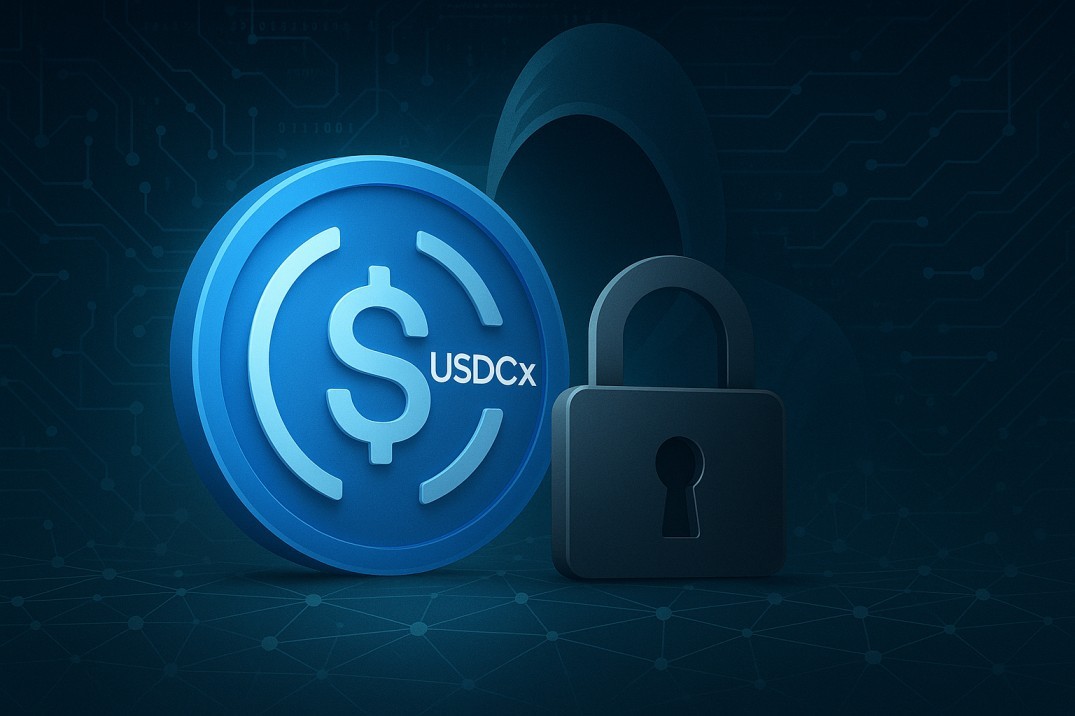
USDCx isn't a new standalone asset. It's a wrapped version of existing USDC, backed 1:1, and managed through Circle's xReserve. This design keeps USDCx connected to Circle's broader interoperability plans.
The xReserve framework allows Circle to mint and redeem wrapped versions of USDC across different chains in a way that maintains consistency and eliminates fragmentation. Through CCTP and Gateway-the company's cross-chain transfer mechanisms-USDCx is expected to eventually move between ecosystems without requiring intermediaries.
For developers, this means they can treat USDCx as part of the broader USDC network rather than a disconnected asset. For institutions, it means that privacy doesn't prevent interoperability or compliance.
What Comes Next for USDCx
The pilot is still in early testing on the Aleo testnet, so USDCx is not yet available for general use. Circle has not shared a timeline for a full mainnet launch, and testing is likely to continue as developers explore the limits of privacy-preserving stablecoin mechanics.
The focus now is on proving that the model works smoothly, securely, and at scale. From there, Circle will evaluate how to integrate USDCx into the broader ecosystem as adoption grows and more sectors look for ways to keep financial activity private without losing the USDC brand's consistency and predictable governance.
What's clear is that digital dollars are shifting into a phase where privacy and compliance need to coexist. USDCx is Circle's attempt to show that those two ideas don't need to be at odds.
Closing Thoughts
The push toward private, compliant digital dollars marks a turning point in how stablecoins evolve. As more companies look for tools that respect confidentiality while keeping regulators comfortable, privacy-ready versions of existing assets might become the new standard.
Aleo provides the infrastructure. Circle brings the global stablecoin. USDCx is the meeting point between them-a sign that the next era of digital payments may be more private, more secure, and still connected to the rules that keep global finance functioning.